
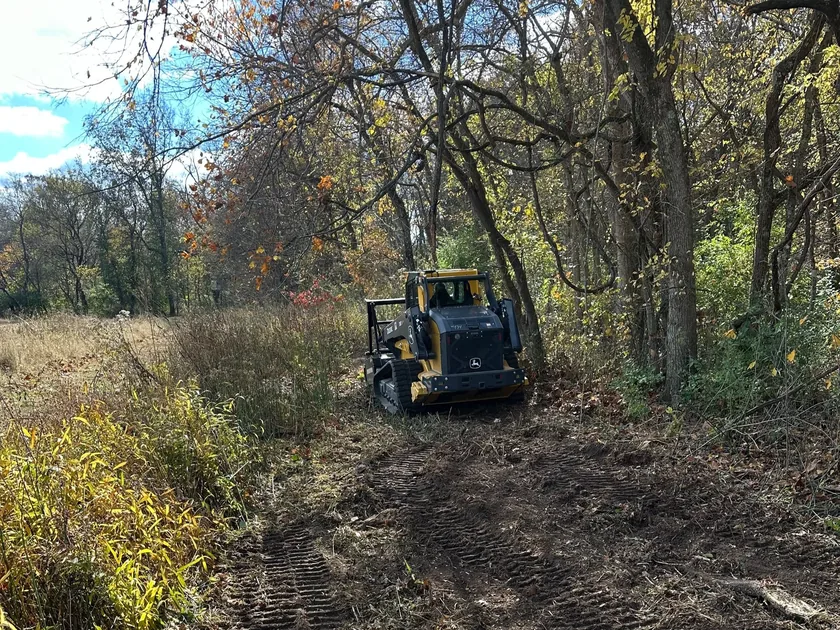
Fence Line Clearing
We clear volunteer cedars and hedge out of fence rows and tree lines with an excavator and a skid loader. The line opens back up so a new fence can go in or a field edge can come back.
Learn More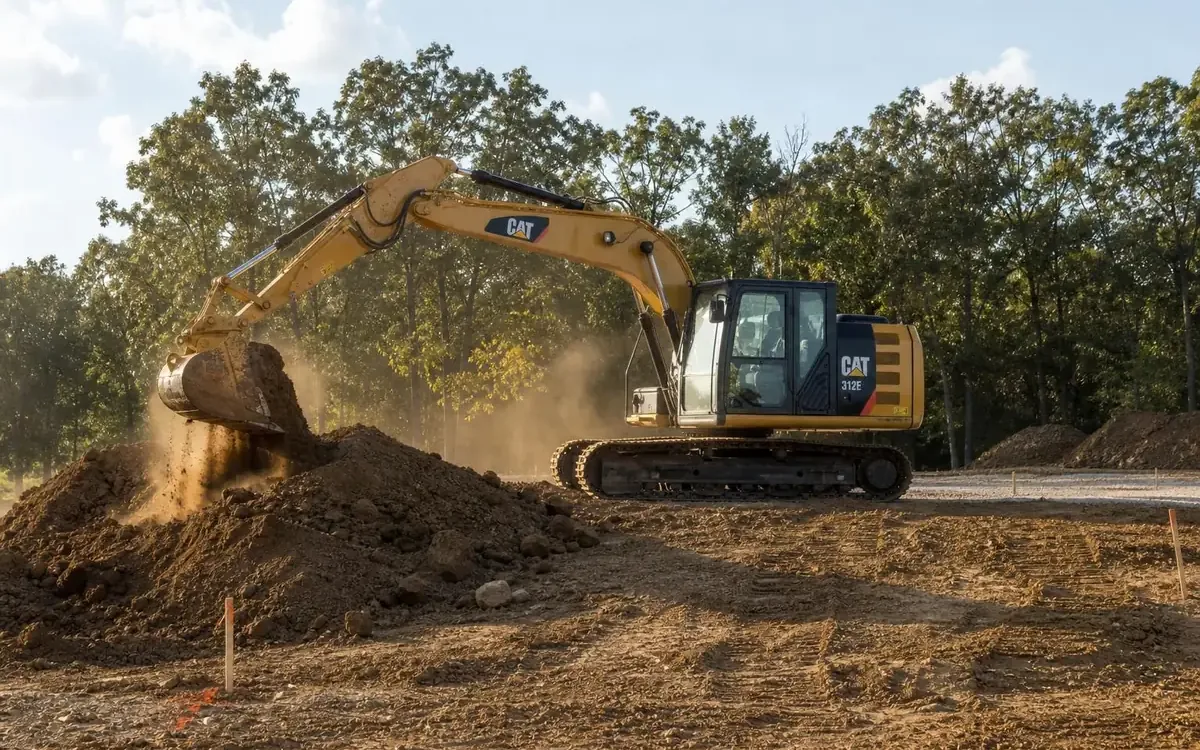
Site preparation is the dirt work between a cleared lot and the first day of building. We level the cleared ground with a skid loader and an excavator. Then we rough grade the building area and shape the pad area where the home or shop will sit. Last, we cut in the access so the builder can get trucks to the site.
Site prep picks up where our land clearing in Parker leaves off. Our base is in Parker, Kansas, and our service area reaches about 60 miles out. Call or text (620) 252-9314, and we will look at the site and put the quote in writing.
Tell us what the land needs and where it is. We look at the job and put the quote in writing.
Site prep starts once the clearing is done and the roots are out. First we cut the high spots down and push that dirt into the low spots. The excavator digs the deeper cuts, and the skid loader spreads the fill. We keep at it until the pad area sits level.
Rough grading comes next. This first pass of land grading shapes the building area so rain runs off and away from the pad. The finish grade comes later, after the building is up.
The access is the last piece. We cut in a path from the road to the building site so trucks can get in. From there, the builder and the concrete crew take over.
The federal soil survey rates about 7 in 10 acres of Linn County as very limited for homes without basements. The top reason it gives is clay that swells when it gets wet and shrinks as it dries. The next is ground that stays wet near the surface for part of the year. Across the seven counties we serve, the survey gives the same top reason.
Rock can change the plan too. In parts of Linn County, the survey puts limestone about 20 to 40 inches down. In spots, it shows right at the surface. Rock that close can limit how deep a cut goes on the pad area.
That is why the foundation plan belongs to your builder or an engineer. Our part is a level pad area and a rough grade that sends water away. On a sloped lot, leveling the pad leaves a cut bank on the high side. When that bank needs holding, a retaining wall keeps the dirt in place.
Kansas law says to contact Kansas 811 at least two full working days before digging. The utilities then mark their buried lines. The law counts moving earth below the surface as excavation, and grading does that.
Utilities mark only their own lines. A power line to a barn or a shop is private, so the utilities do not mark it. Tell us where lines like that run before the work starts.
The access may need a new entrance off a county road. Kansas law requires approval before anyone builds an entrance across a road ditch. In Linn County, the application goes to the county road and bridge department. The county installs the culvert, and the landowner pays for it.
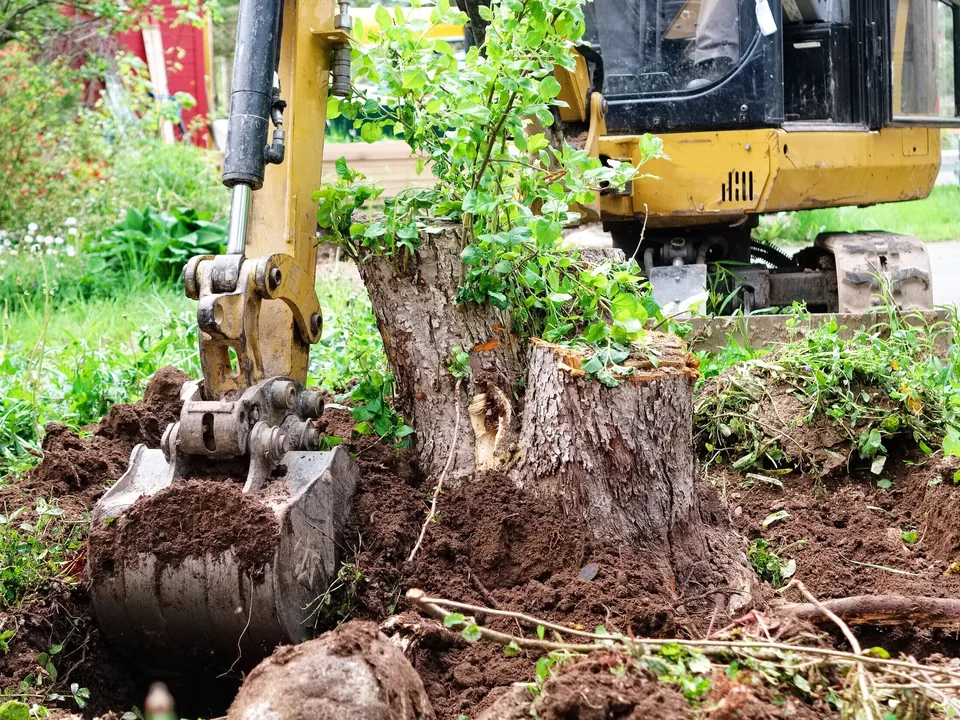
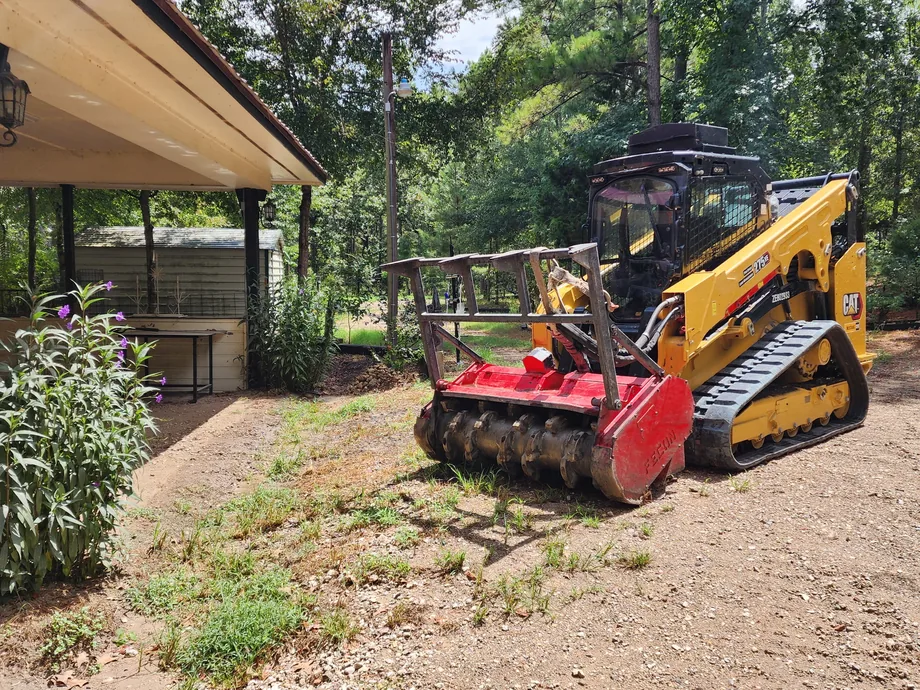
Call or text for a written quote. We work about 60 miles around Parker across eastern Kansas.
(620) 252-9314From the first call or text to the finished work, here is how it goes.
Call or text (620) 252-9314, or send the form. Tell us where the land is and what is growing on it.
We come out to see the growth and the ground. We also check how the machines will get in.
The quote spells out the work and comes to you in writing. Work starts once you approve it.
The skid loader and the excavator go to work. Brush gets mulched in place, or trees come out and get piled on site.
The cleared ground is ready for what comes next. That may be pasture again or a house site for your builder.
Common questions about site preparation around Parker and the rest of eastern Kansas. If yours is not here, call or text and ask.
We clear volunteer cedars and hedge out of fence rows and tree lines with an excavator and a skid loader. The line opens back up so a new fence can go in or a field edge can come back.
Learn More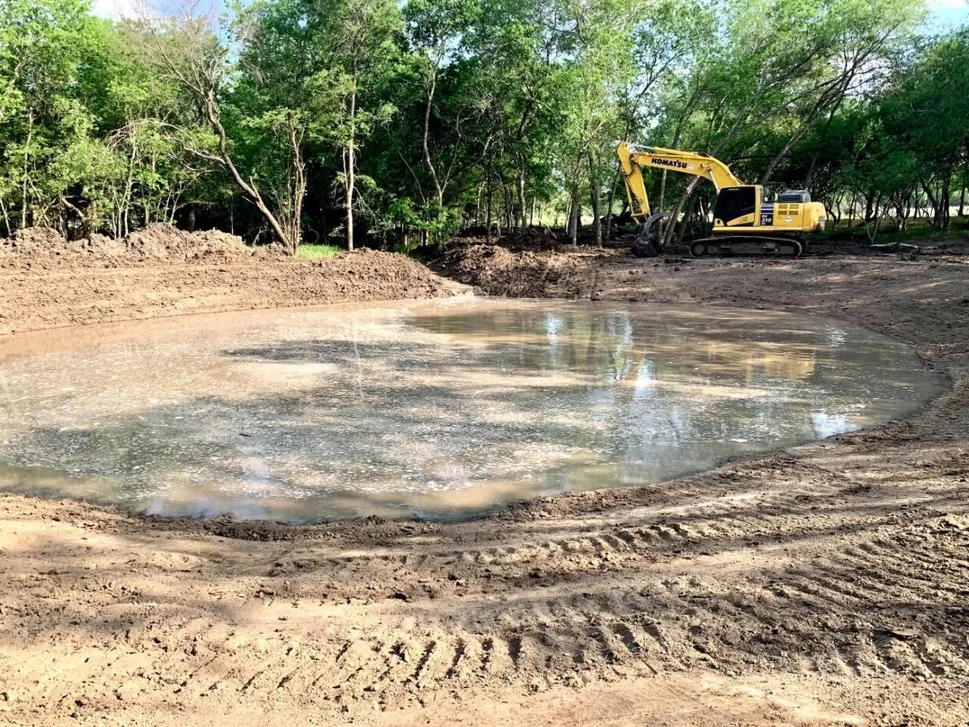
We build new farm and home ponds with an excavator and a skid loader. We dig the basin and build the dam, then shape the banks and the spillway.
Learn More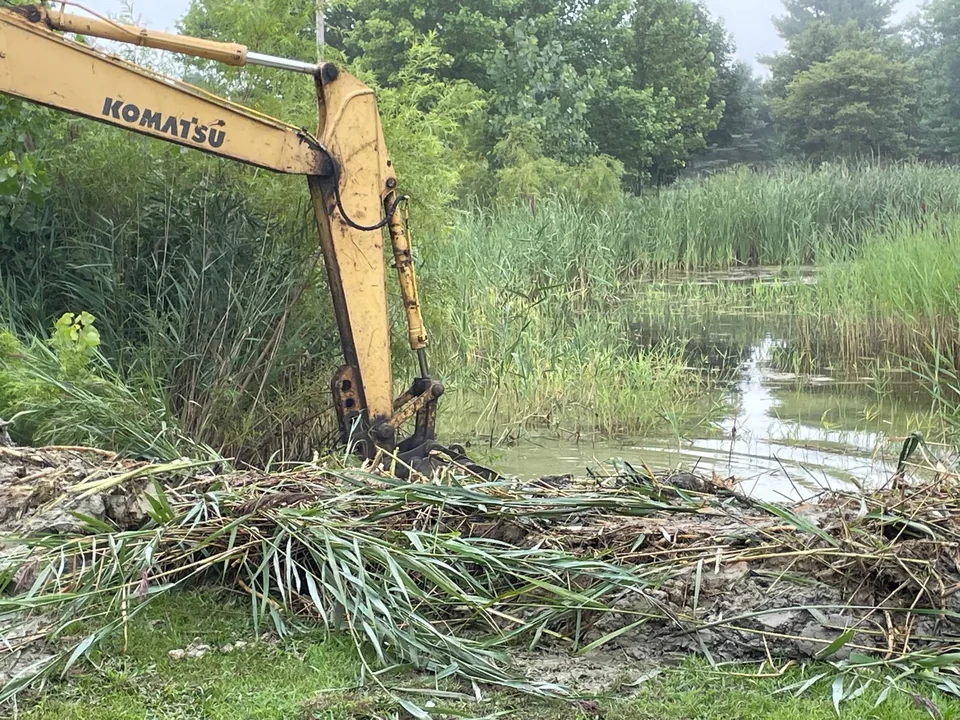
We dig the silt and muck out of old farm and home ponds with an excavator. Then we clear and reshape the overgrown banks and the dam.
Learn MoreA forestry mulching head on the skid loader grinds brush and small trees in place. The excavator pulls stumps and roots and digs pond basins.
We look at the job before we price it. The quote comes to you in writing, with the work spelled out.
Our base is in Linn County, and we take jobs within about 60 miles. That reaches Fort Scott and Iola to the south and Olathe to the north.
We work for homeowners and landowners with acreage, including farms with pasture to open up. Builders and businesses that need a site cleared and prepared can call or text too.
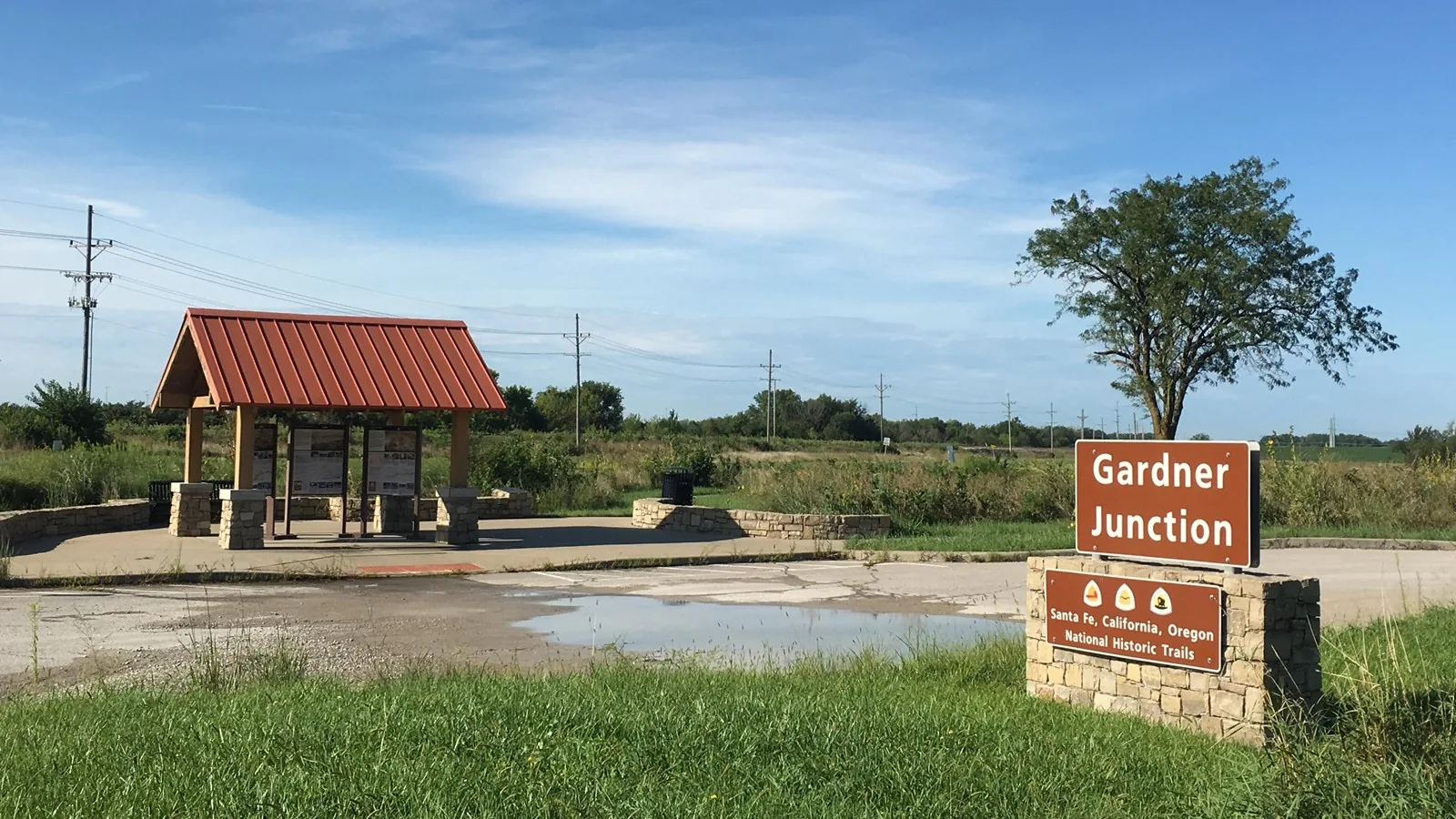
Pond construction cost in Kansas: published farm pond price ranges and what the dam and the soil add. See when a Kansas dam needs a state permit.
Read more →
What a retaining wall costs in Kansas in 2026, by material and height. See what base and drainage add and when a wall needs a permit or an engineer.
Read more →Send the form with the town and a few words about the land. You can also call or text (620) 252-9314.
Tell us what the land needs and where it is. We look at the job and put the quote in writing.