Forestry Mulching
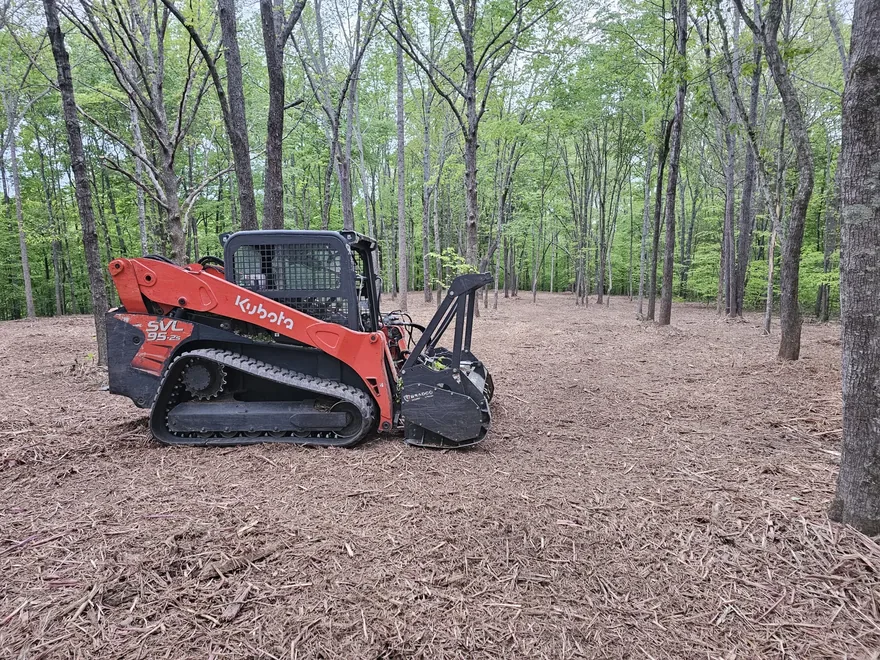
A forestry mulching head on our skid loader grinds brush and small trees where they stand. The mulch stays on the ground and covers the soil.
Learn More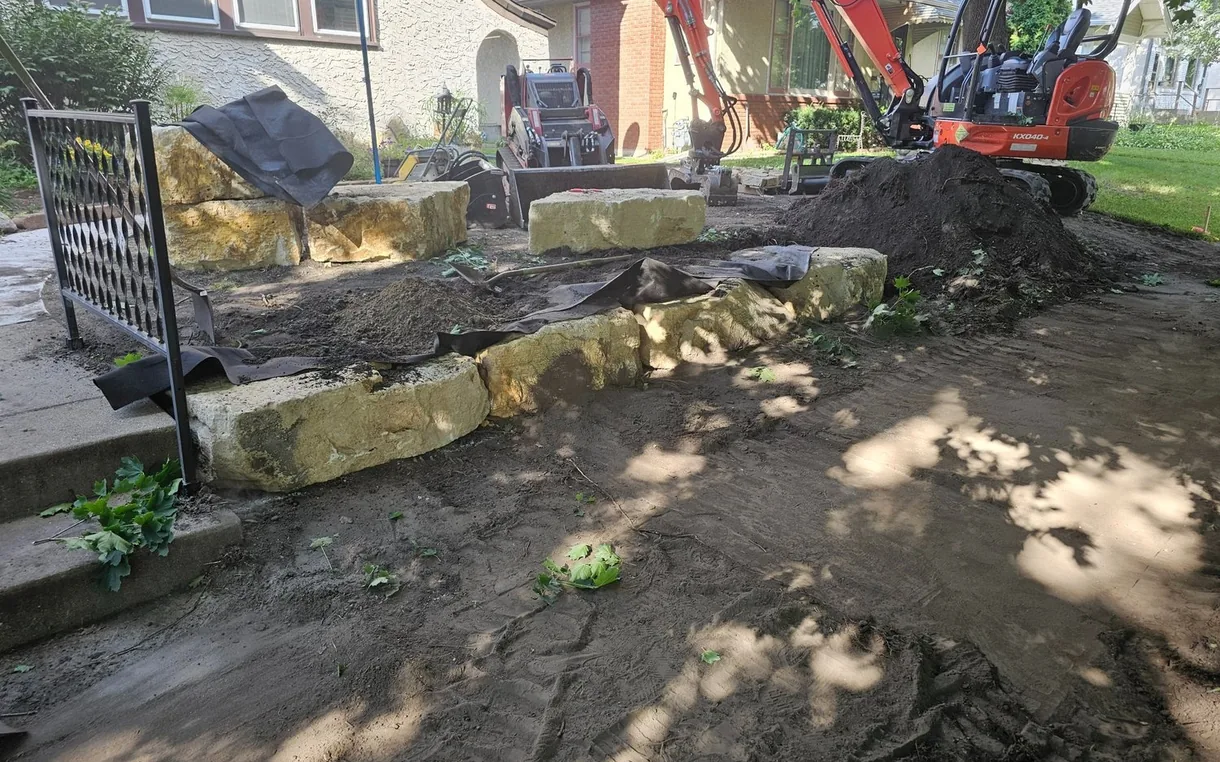
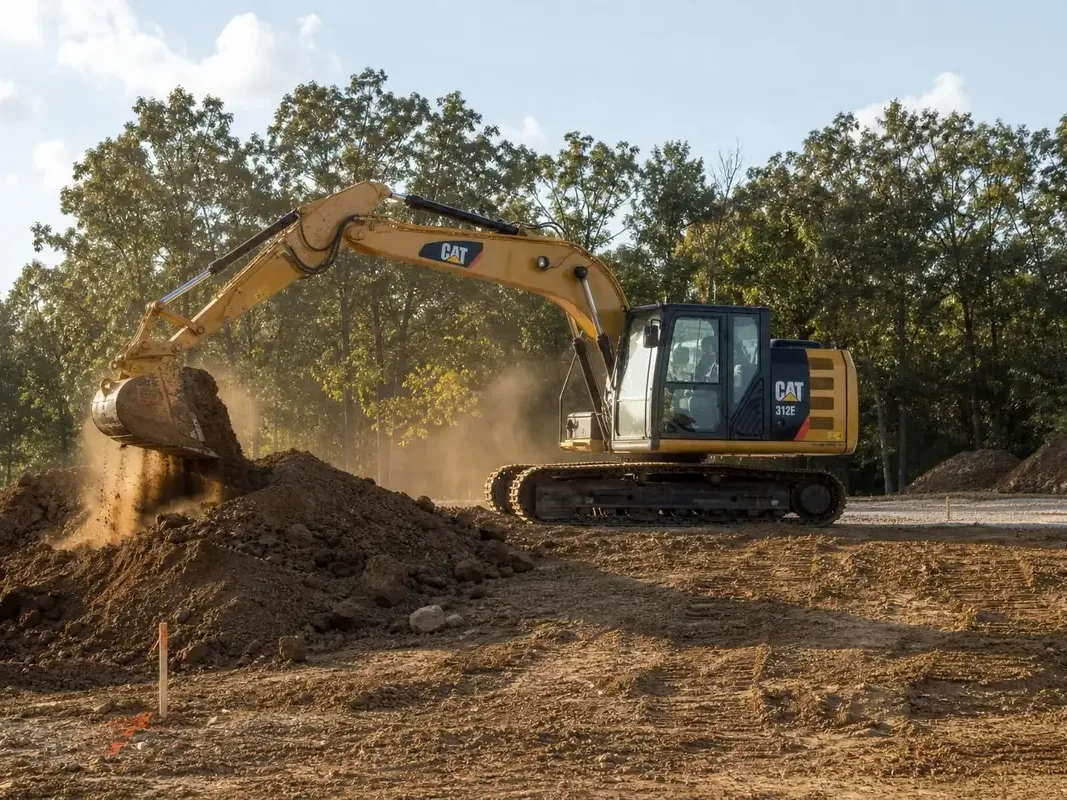
Nickell's Land Management builds retaining walls where a bank or a grade change needs holding. That might be a cut bank behind a new shop pad or a yard that drops off toward the drive. We are based in Parker, Kansas, and we build retaining walls across eastern Kansas. The excavator and the skid loader handle the digging and the base work before the wall is set in place.
Much of a wall's strength sits out of sight, in the base under it and the drainage behind it. A wall can also be one part of a bigger job on the same ground. It might follow land clearing in Parker, Kansas or go in alongside site preparation for a home or a shop.
Tell us what the land needs and where it is. We look at the job and put the quote in writing.
Before any digging, Kansas 811 needs a locate call two full working days ahead. Utilities mark only their own lines. Show us any line to a shop, a barn, a well or a pond pump. Then the excavator cuts the bank back and digs the trench for the base.
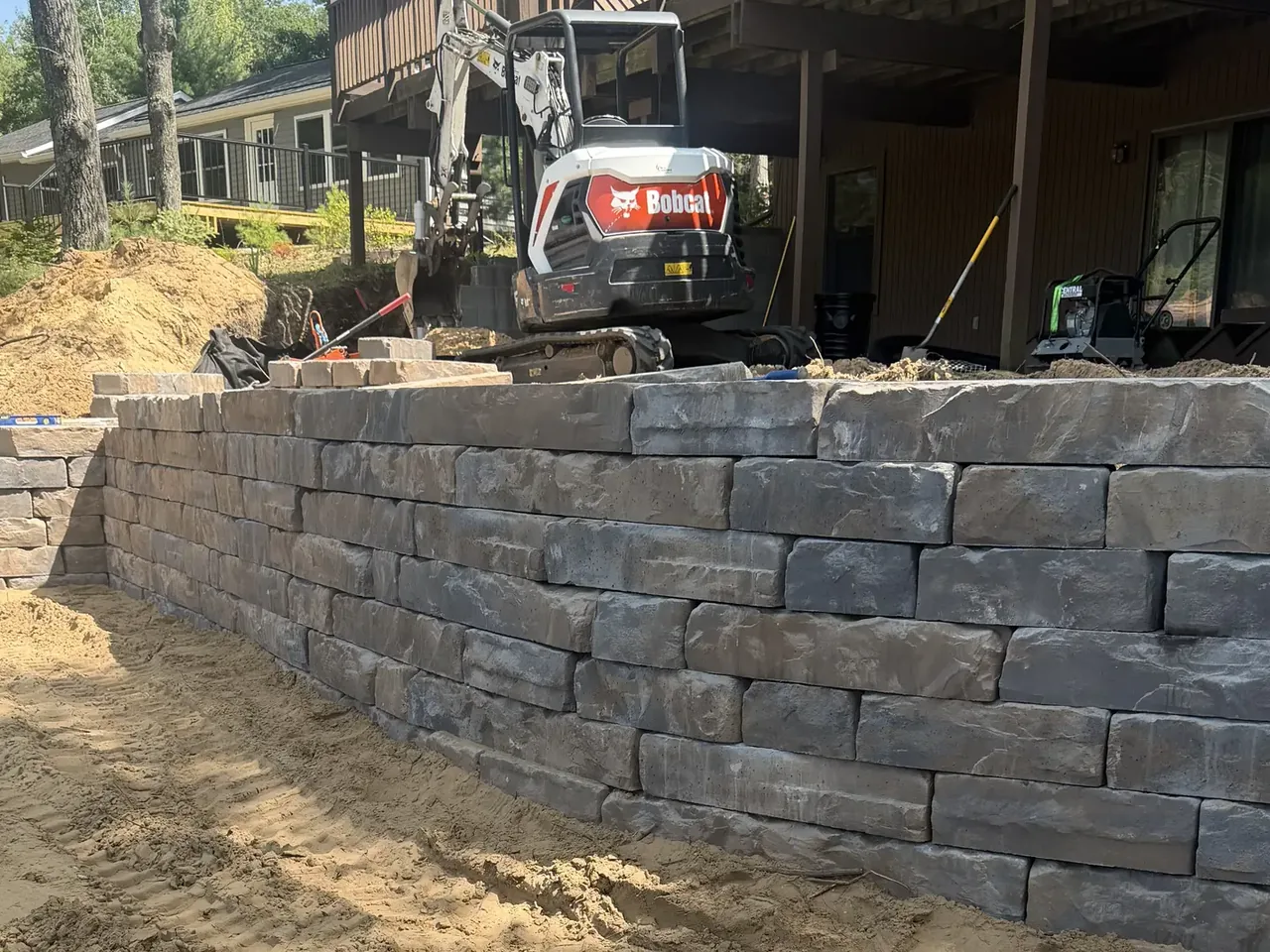
A trade association's installation guidance lays out the standard steps from there. The base is compacted gravel at least 6 inches thick, set level. The bottom of the wall sits at least 6 inches below the ground in front of it. The guidance calls the first row the most important, since every row above it follows it.
Behind the wall, the same guidance calls for at least 12 inches of clean gravel. A drain pipe near the bottom needs a steady fall to an outlet, so water leaves by gravity. Backfill goes in behind the gravel in 6 to 8 inch layers, each one packed before the next. Within 3 feet of the wall, the guidance allows only hand-run compactors.
Water adds load to a retaining wall. The same guidance warns that water can wash out soil and weaken the ground around a wall. Its advice is to steer water away from a wall wherever possible.
The federal soil survey shows clay subsoil under much of Linn County. Kenoma soils, among the most common in the county, have a silty clay subsoil that water moves through very slowly. From March to July in normal years, the survey puts a seasonal high water table 30 to 40 inches down.
Behind a wall, the clean gravel and the drain pipe catch that water and ease its pressure on the wall. Shaping the ground above the wall so rain runs off to the side helps too.
A wall that needs a design gets it from an engineer, hired separately from us. The trade association's design guidance puts the line at 4 feet, from the base to the top of the wall. Past that height, it calls for a design prepared or reviewed by a registered professional.
The same guidance asks for an engineer's help on soft ground, peat, fill or high-plasticity clay. It notes that many local codes or officials require a design professional's plan, while many places have none.
Local code comes first, the guidance says, and rules differ from town to town. Olathe and Osawatomie let a wall up to 4 feet skip the permit unless it holds a surcharge. That height runs from the bottom of the footing, so the buried part counts. A surcharge is extra weight on the ground above the wall, such as a driveway or a building.
Call or text for a written quote. We work about 60 miles around Parker across eastern Kansas.
(620) 252-9314From the first call or text to the finished work, here is how it goes.
Call or text (620) 252-9314, or send the form. Tell us where the land is and what is growing on it.
We come out to see the growth and the ground. We also check how the machines will get in.
The quote spells out the work and comes to you in writing. Work starts once you approve it.
The skid loader and the excavator go to work. Brush gets mulched in place, or trees come out and get piled on site.
The cleared ground is ready for what comes next. That may be pasture again or a house site for your builder.
Common questions about retaining walls around Parker and the rest of eastern Kansas. If yours is not here, call or text and ask.
A forestry mulching head on our skid loader grinds brush and small trees where they stand. The mulch stays on the ground and covers the soil.
Learn More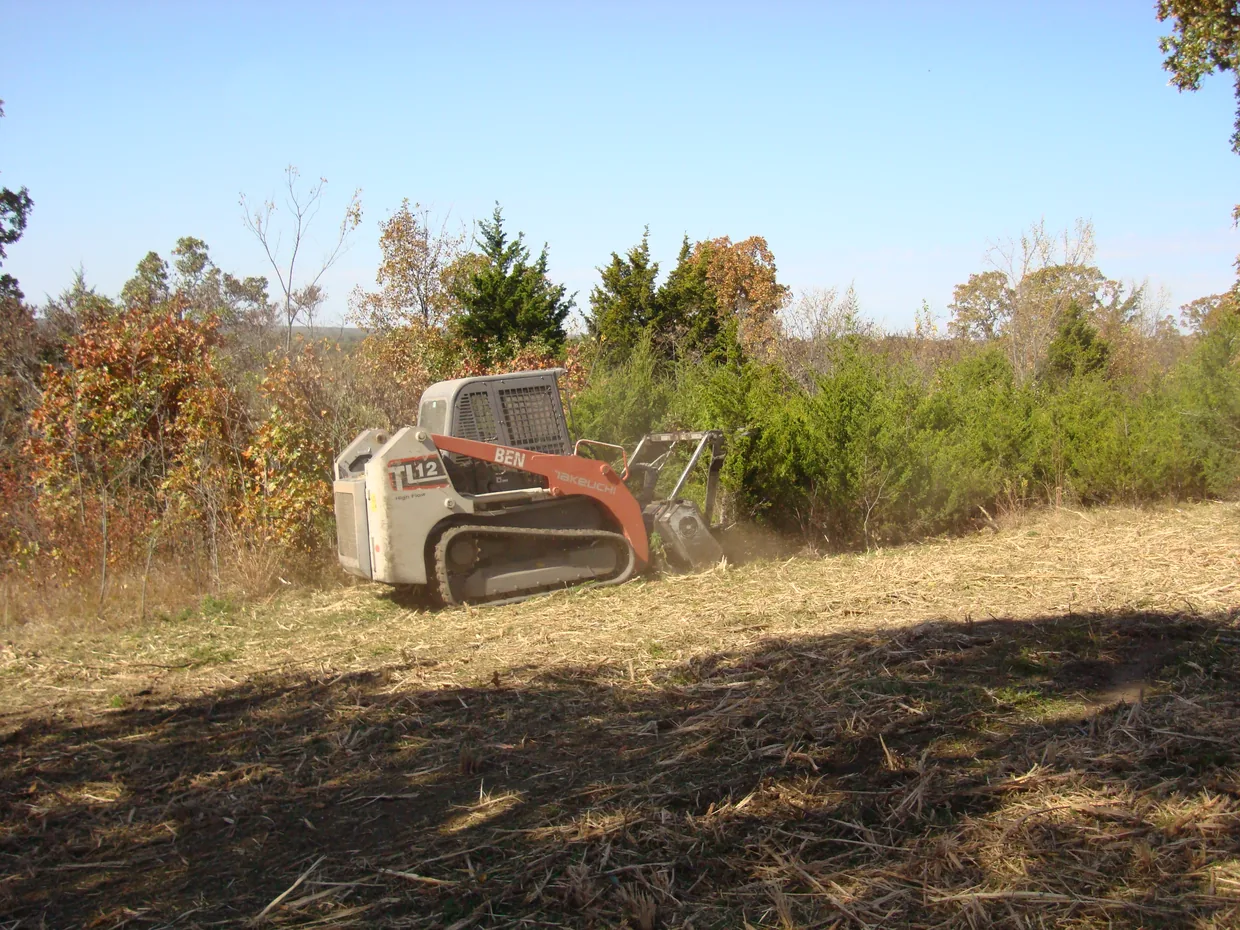
We open up pasture and yards that brush and young trees have taken over. A forestry mulching head grinds the brush, and the excavator pulls bigger stems by the roots.
Learn More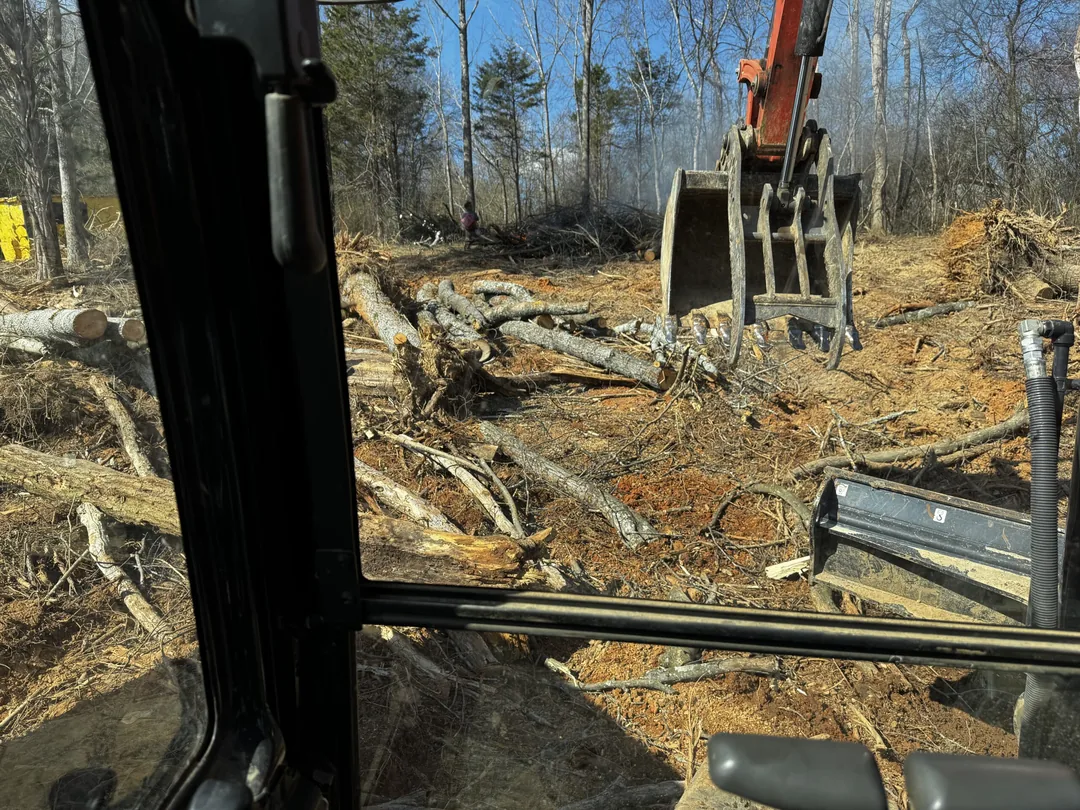
We clear building lots and parcels around Parker, Kansas, with an excavator and a skid loader. The stumps get pulled, roots and all.
Learn MoreA forestry mulching head on the skid loader grinds brush and small trees in place. The excavator pulls stumps and roots and digs pond basins.
We look at the job before we price it. The quote comes to you in writing, with the work spelled out.
Our base is in Linn County, and we take jobs within about 60 miles. That reaches Fort Scott and Iola to the south and Olathe to the north.
We work for homeowners and landowners with acreage, including farms with pasture to open up. Builders and businesses that need a site cleared and prepared can call or text too.
Send the form with the town and a few words about the land. You can also call or text (620) 252-9314.
Tell us what the land needs and where it is. We look at the job and put the quote in writing.