
Forestry Mulching
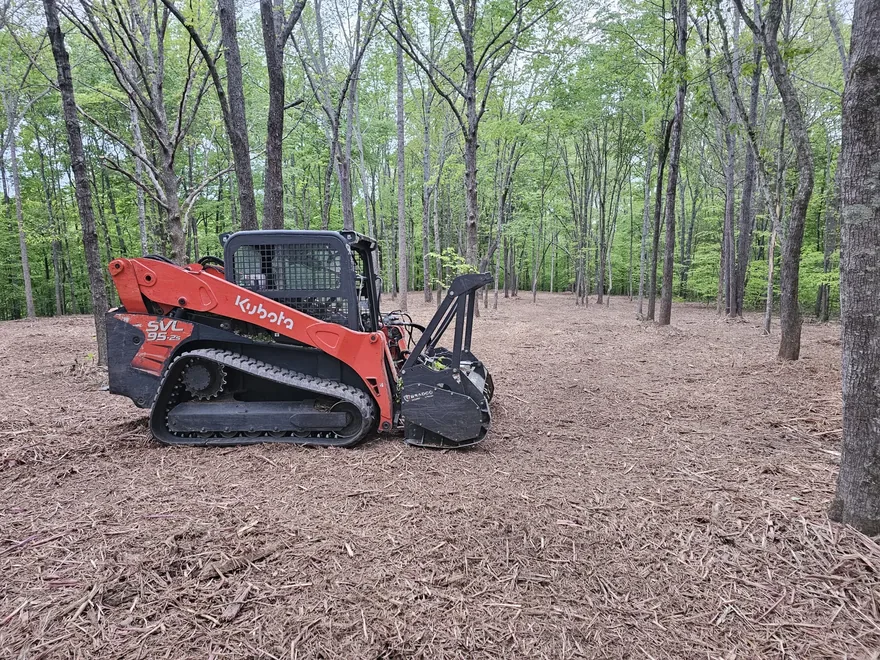
A forestry mulching head on our skid loader grinds brush and small trees where they stand. The mulch stays on the ground and covers the soil.
Learn More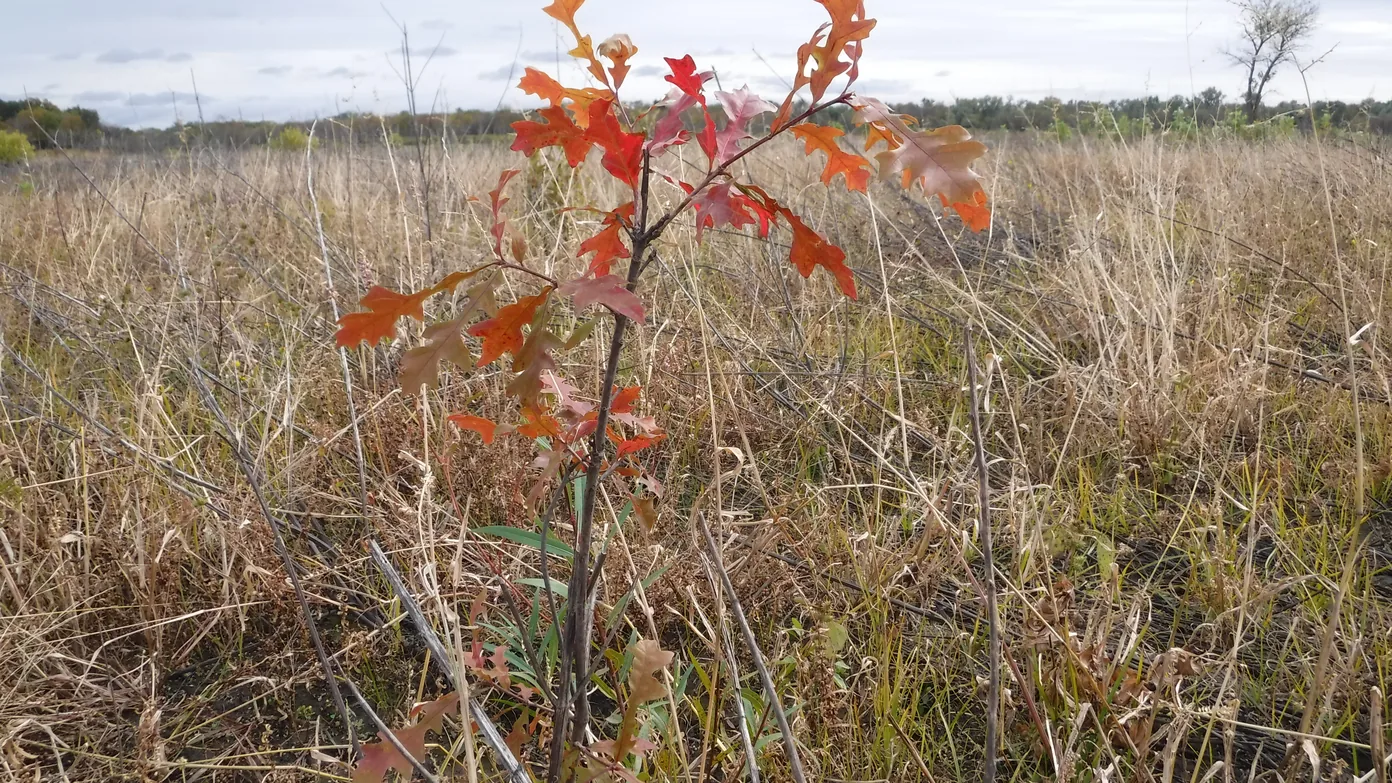
Acreage around Paola grows up when it sits unused. Volunteer cedars fill the old fence rows, and pasture turns to brush and saplings. If you plan a new drive onto a county road, that brush matters. Miami County Road and Bridge asks for at least 350 feet of sight distance both ways, clear of brush.
Nickell's Land Management is a land clearing company based in Parker, about 22 road miles south of Paola. Paola is part of our service area, in town and out across Miami County. Our skid loader and excavator clear pasture, fence rows, tree lines and building lots. Call or text (620) 252-9314, and we will look at the job and put the quote in writing.
Tell us what the land needs and where it is. We look at the job and put the quote in writing.
The federal soil survey maps about one acre in ten of Miami County as rocky limestone slope. Its description says that ground is mostly native grass pasture. Left unmanaged, pasture like that fills with brush and young cedars.
Brush clearing opens that ground back up so it can be pasture again. Where the growth is brush and small trees, forestry mulching grinds it in place with the skid loader. That keeps the topsoil where it is.
Fence line clearing takes the trees and volunteer cedars out of an old fence row. We do it with the excavator and the skid loader. Then a new fence can go up on a clean line.
Paola is an older town that still adds homes. Census estimates date about one home in three to before 1940. The Census permit survey counts 88 new single-family homes authorized in the city from 2021 to 2025. Each one needs a lot that is clear and level.
Inside city limits, the city says nearly any building work beyond routine upkeep or minor repair needs a permit first. The Building Inspection Department at City Hall answers which permits apply. For a new home, the city's design standards say a driveway onto a public street must be hard surfaced.
Outside city limits, Miami County handles the rules from its offices in Paola. Planning and Zoning covers lot splits, setbacks, minimum lot size and floodplain questions. Building Code Services reviews plans for most new buildings before a permit is issued. Environmental Health handles septic permits and soil profile analysis.
Lot clearing takes the trees out and pulls the stumps with the excavator. Site preparation then levels the pad area and cuts in the access for your builder. Where the drive meets a county road, Road and Bridge must approve the entrance first. The county also sets its final location.
In the federal soil survey, Summit silty clay loam is the most common soil in Miami County and in Paola. It is a deep clay soil formed from shale. From November to May in normal years, the survey puts a wet layer 12 to 36 inches down. In dry summers, it cracks.
Federal climate normals for the Paola station show about 41 inches of rain and snow in a normal year. May is the wettest month at about 6 inches, and June is next. Soaked clay is soft ground for a heavy machine, so we may wait for it to firm up first.
Wagstaff, the next most common soil in town, sits on limestone 20 to 40 inches down. That rock depth matters for a pond basin or a wall base. We handle pond construction and pond cleaning around Paola, and we look at the site before we quote.
Yes, but you need a burn permit first. Miami County and the City of Paola both require one for open burning. Permits come from the county's fire districts together with Miami County Emergency Management. The city says burn permit requests go online through Miami County.
Burning trees and brush from a non-farm clearing, like a new home site, needs prior state approval. The state gives that approval only when there is no other practical way to dispose of the material. On farm and pasture ground, the state's agricultural burning rules are the usual path.
Miami County's conditions apply either way. The fire must be more than 50 feet from a structure, with wind between 5 and 15 mph. No new material goes on after two hours before sunset. Burning within 1,000 feet of an occupied home needs notice to the people there first.
Forestry mulching skips the burn pile. The skid loader grinds the brush where it stands, and the mulch stays on the ground. Trees pulled with the excavator can be piled on site for you to burn under those rules.
Communities and areas we serve around Paola: Downtown Paola and Park Square, Lake Miola, Bur Oak Estates, Lakeview South, Rockwood Estates, Country Club Heights, Indian Hills, Bull Creek, Paola Industrial Park, Hillsdale, Somerset, Fontana.
Paola ZIP codes served: 66071.
Paola is part of our service area. We look at the job first, then put the quote in writing.
(620) 252-9314 A forestry mulching head on our skid loader grinds brush and small trees where they stand. The mulch stays on the ground and covers the soil.
Learn More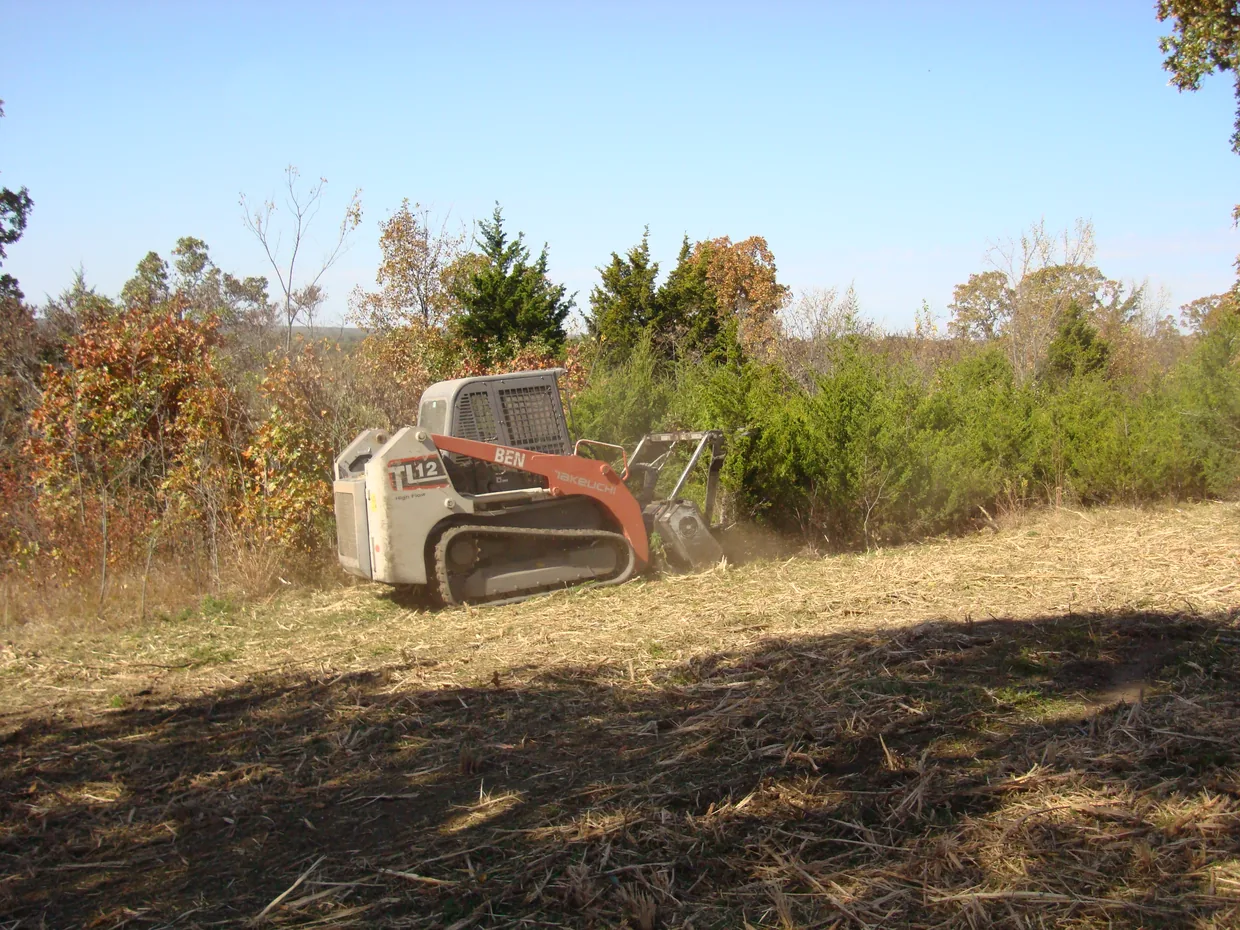
We open up pasture and yards that brush and young trees have taken over. A forestry mulching head grinds the brush, and the excavator pulls bigger stems by the roots.
Learn More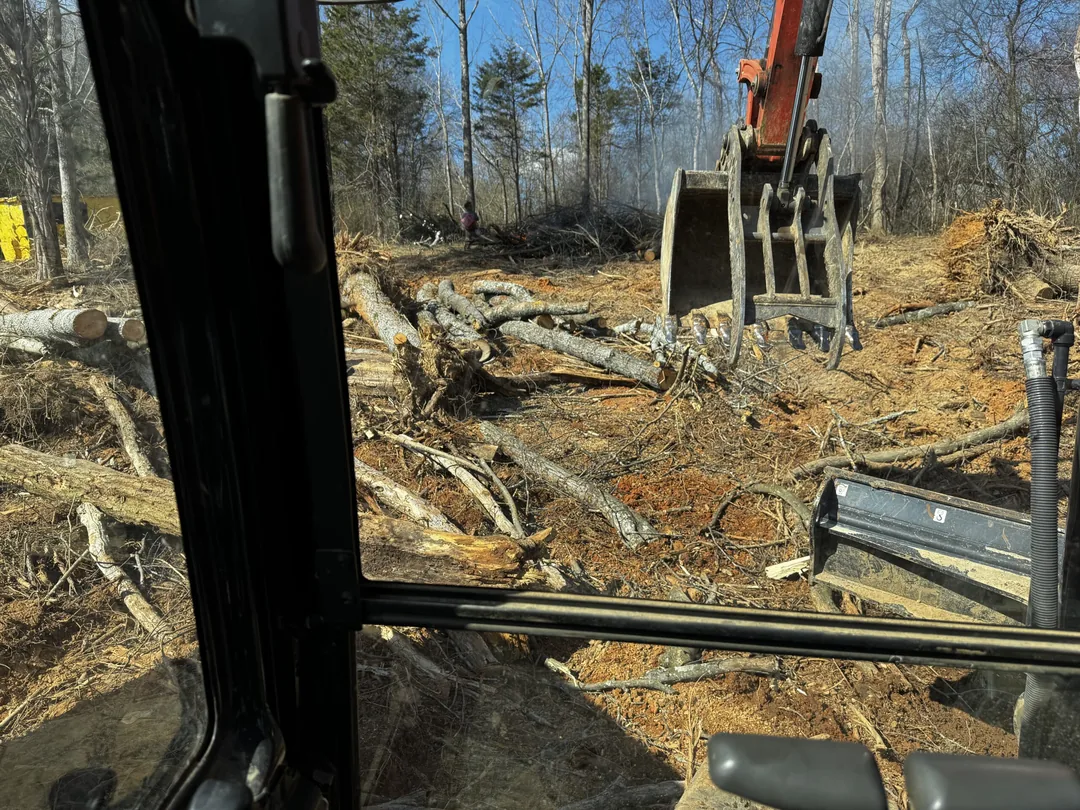
We clear building lots and parcels around Parker, Kansas, with an excavator and a skid loader. The stumps get pulled, roots and all.
Learn More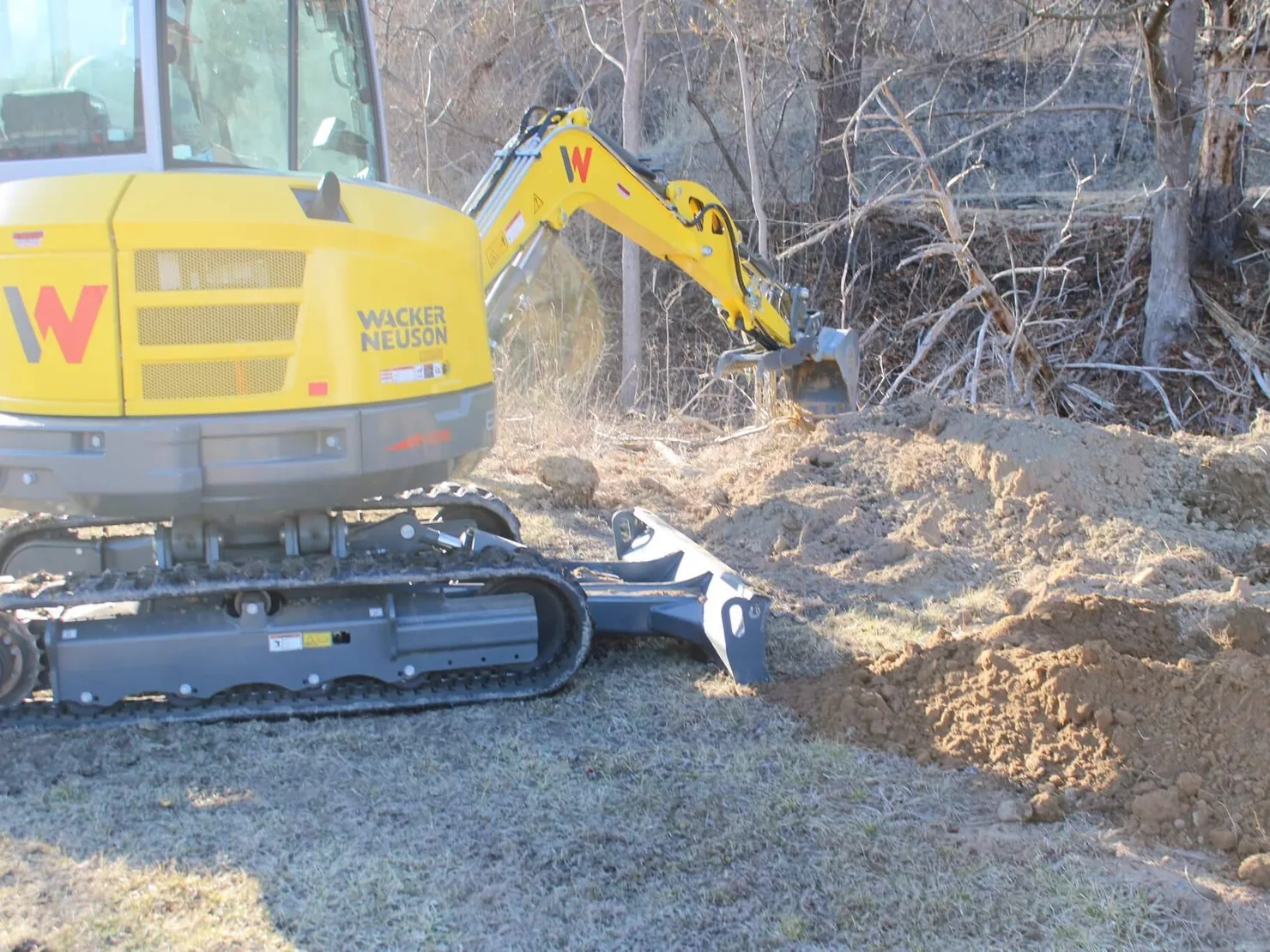
We level and rough grade cleared ground for a new home or a shop. Then we cut in the access so the builder can start.
Learn More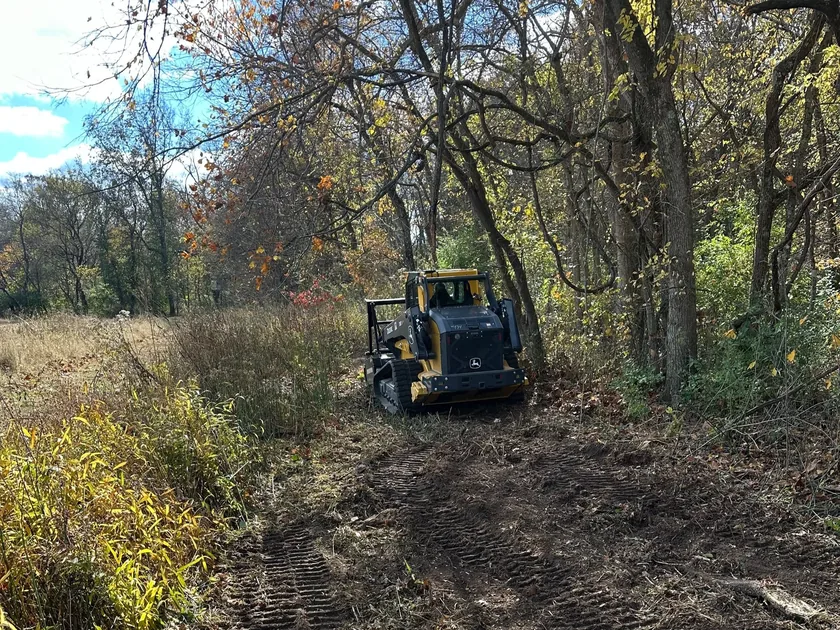
We clear volunteer cedars and hedge out of fence rows and tree lines with an excavator and a skid loader. The line opens back up so a new fence can go in or a field edge can come back.
Learn More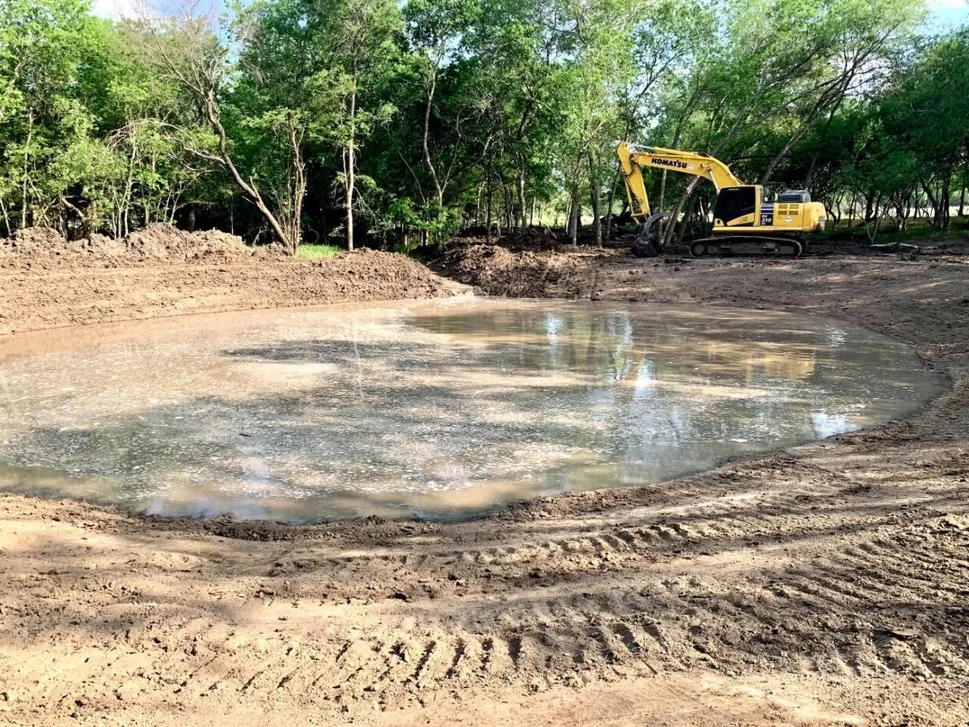
We build new farm and home ponds with an excavator and a skid loader. We dig the basin and build the dam, then shape the banks and the spillway.
Learn More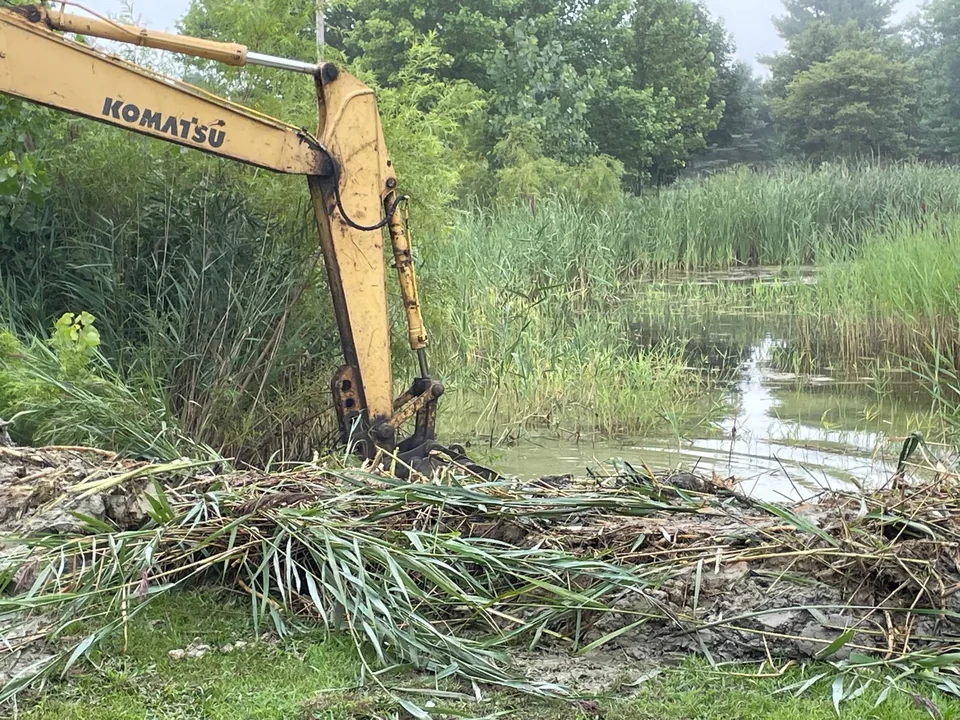
We dig the silt and muck out of old farm and home ponds with an excavator. Then we clear and reshape the overgrown banks and the dam.
Learn More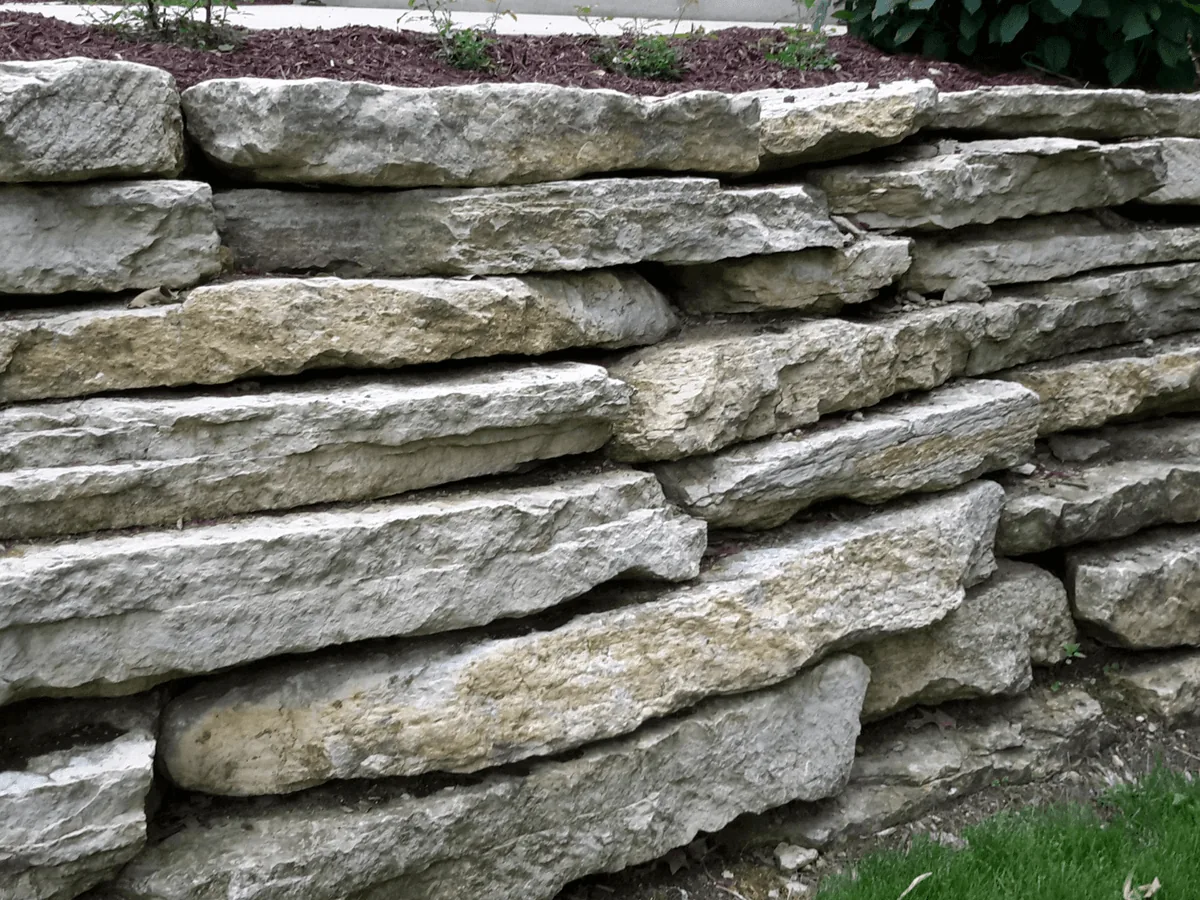
We build retaining walls where a bank or a grade change needs holding. The base under the wall and the drainage behind it are part of the job.
Learn MoreA few of the questions we hear most around Paola. If yours is not here, call or text and ask.
Send the form with the town and a few words about the land. You can also call or text (620) 252-9314.
Tell us what the land needs and where it is. We look at the job and put the quote in writing.